
May 27-29, 2026 | Hybrid Event
First Amendment Summit 2026
The Role of Law Enforcement in First Amendment Protections
Curriculum
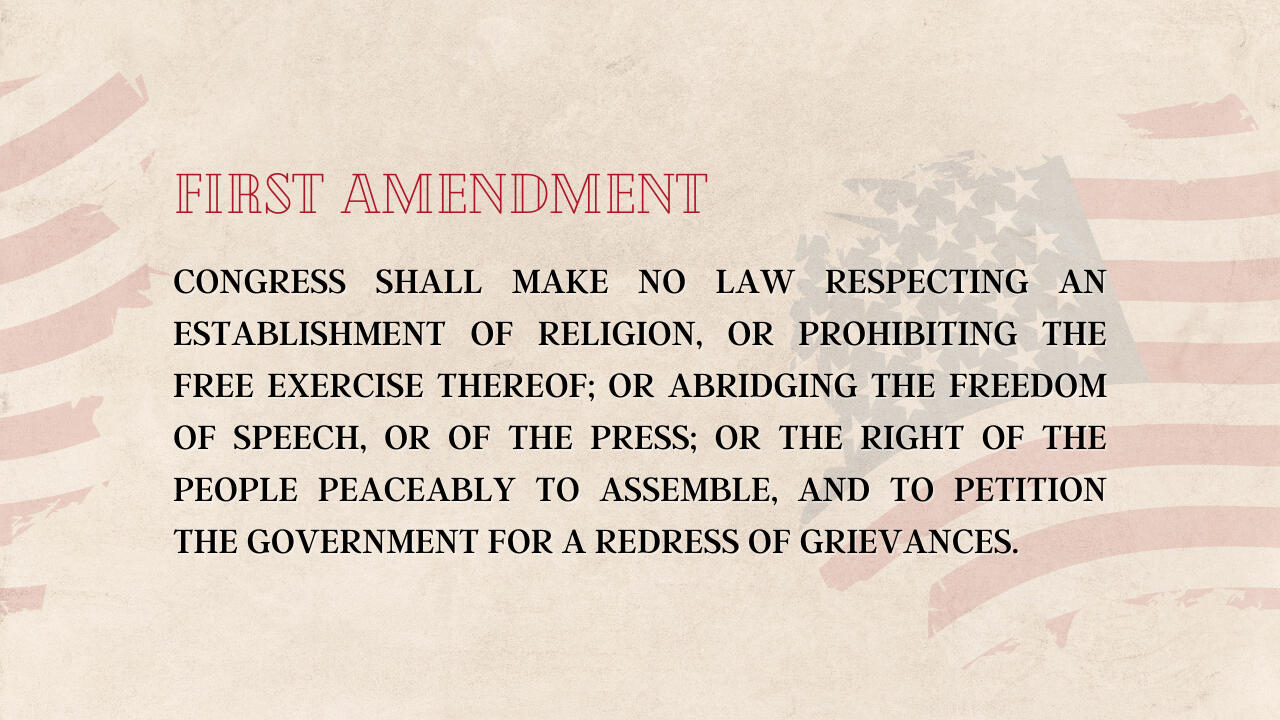
Law enforcement officers play a crucial role in ensuring public safety while respecting constitutional rights, especially those protected by the First Amendment. Understanding these rights is vital for officers to perform their duties lawfully and build public trust.The First Amendment protects freedoms of speech, assembly, press, religion, and petition, often intersecting with law enforcement duties during protests, demonstrations, media interactions, and dissent. Officers must know the legal limits on restricting speech to avoid unlawful detentions, arrests, or force against individuals engaged in protected activities.Misunderstanding First Amendment rights can lead to civil rights violations, legal liability, and damaged public confidence. Over-policing protests, restricting media access, or retaliating against speech can result in lawsuits and undermine the legitimacy of law enforcement.Proper First Amendment training helps officers distinguish between protected speech and unlawful conduct, like incitement to violence or threats. It also aids in managing public interactions, balancing security with civil liberties, and de-escalating tense situations while respecting constitutional freedoms.A law enforcement culture that values constitutional awareness strengthens community relations, upholds democratic principles, and reduces legal risks.
Training Schedule - 2026
Ensure your team's success by reviewing the training schedule and signing up for sessions that will enhance your understanding and application of First Amendment rights in law enforcement.To view our 2026 Instructors Bios: CLICK HERE
Day #1
08:15 AM: Beyond the Fourth: What Law Enforcement Must Know About the First Amendment
The opening session of the First Amendment Summit is presented by Attorney Eric Daigle - Principal, Daigle Law Group.Law enforcement leaders have spent decades mastering Fourth Amendment jurisprudence, yet First Amendment law now drives some of the most complex operational challenges facing agencies today. From public recording of police activity to demonstrations, speech, and assembly, First Amendment encounters increasingly shape public trust, officer safety, and organizational liability. This session examines how First Amendment protections directly affect law enforcement operations, supervisory decision-making, and policy development. Chiefs and command staff will explore current legal standards, emerging enforcement trends, and the consequences of misapplication. Emphasis is placed on translating constitutional principles into clear policy, effective training, and command-level guidance that supports officers while protecting the agency.
10:15 - 10:30 AM: BREAK
10:30 AM: They Posted WHAT? Social Media, Discipline, and the First Amendment
Attorney Eric Atstupenas - MCOPA General Counsel / DLG ConsultantSocial media has blurred the line between personal expression and professional responsibility, creating new legal challenges for law enforcement agencies. Posts made off duty can quickly become public controversies, internal discipline cases, or federal lawsuits. This session examines the First Amendment standards that govern employee speech, with a focus on how agencies can lawfully investigate and discipline personnel for social media content. Participants will review key legal principles, emerging case trends, and practical considerations for policy, supervision, and internal investigations. The program provides clear guidance on balancing employee speech rights with the operational integrity, reputation, and mission of the agency.
12:00 - 1:15 PM: LUNCH BREAK
1:15 PM: Protests, Speech, and Force: The Legal Boundaries of Crowd Management
Attorney Eric Daigle - Principal, Daigle Law GroupPublic demonstrations and civil unrest present complex legal and operational challenges for law enforcement leaders. Crowd management decisions now face heightened scrutiny under First Amendment standards, evolving case law, and public expectations. This session examines the constitutional framework governing protest response, including time, place, and manner restrictions, lawful orders, and enforcement thresholds. Participants will also explore legal definitions and practical implications of hate speech, threats, and passive resistance. Through current legal trends and real-world examples, the program provides guidance on balancing public safety with constitutional protections, helping agencies develop defensible policies, sound operational strategies, and effective supervisory oversight during crowd events.
2:45 - 3:00 PM: BREAK
3:00 PM: From Policy to the Street: Applying NTOA Public Order Standards
Captain Spencer Fomby (Ret.) - NTOAPublic order events demand coordinated planning, disciplined execution, and policies grounded in nationally recognized standards. This session examines current guidance from the National Tactical Officers Association Public Order Section and its practical application in protest and civil disturbance management. Drawing on his experience as NTOA Public Order Section Chair and as a tactical leader in Berkeley, Captain Spencer Fomby (Ret.) provides insights into policy development, training priorities, and decision-making command during complex crowd events. Attendees will explore key national standards and operational lessons that support constitutional policing, officer safety, and effective incident management.
4:30 PM: Conclude for the day
Day #2
8:45 AM: Balancing the Badge and Belief: Religious Rights in Law Enforcement
Attorney Joseph Race - Daigle Law GroupFreedom of religion affects far more than ceremonial observances—it directly impacts daily law enforcement operations. From uniform and grooming standards to shift assignments, dietary accommodations, and prisoner processing, agencies must balance operational needs with constitutional and statutory religious protections. This session examines how religious freedom laws shape policy, supervision, and decision-making in modern policing. Participants will explore real-world scenarios, emerging legal standards, and practical guidance for managing religious accommodation requests from both employees and detainees. The program provides clear strategies for developing defensible policies and training that respect religious rights while maintaining operational readiness and institutional integrity.
10:15 - 10:30 AM: BREAK
10:30 AM: Cameras, Confrontations, and the Constitution: Responding to First Amendment Audits
Attorney Eric Daigle - Principal, Daigle Law GroupFirst Amendment “audits” and the public recording of police activity have become increasingly common across the country. These encounters often place officers and supervisors in tense, highly visible situations where constitutional rights, officer safety, and public perception intersect. This session examines the legal foundations of the civilian right to record law enforcement and the operational challenges created by self-identified “auditors.” Participants will review current case law, common enforcement pitfalls, and practical response strategies. The program provides clear guidance on how agencies can train officers, develop policy, and supervise encounters in a manner that protects constitutional rights while maintaining professionalism, safety, and organizational credibility.
12:00 - 1:15 PM: Lunch Break
1:15 PM: Restoring Order, Preserving Rights: Use of Force in Crowd Events
Captain Spencer Fomby (Ret.) - NTOAPublic order incidents place the use of force under intense legal, media, and public scrutiny. In today’s environment of widespread video and heightened accountability, agencies must ensure that force is applied lawfully, proportionally, and strategically during demonstrations and civil unrest. This session examines the evolution of use-of-force practices in public order policing and the legal standards that shape modern operations. Participants will explore current best practices for policy, training, supervision, and command oversight, along with a practical review of tactical force options, including chemical agents, impact munitions, and distraction devices. The program focuses on balancing operational effectiveness with constitutional protections and organizational accountability.
2:45 - 3:00 PM: BREAK
3:00 PM: Police and the Press: Balancing First Amendment Rights with Operational Challenges of Law Enforcement
Attorney Mickey H. Osterreicher - General Counsel NPPAThis training will present an informative program about the rights and limitations of journalists and citizens to photograph and record law enforcement and public safety officers performing their official duties in public. The discussion will include First, Fourth and Fourteenth Amendment rights, search and seizure, exigent circumstances, qualified immunity, encountering with First Amendment “auditors,” media-crowd management and prohibitions against the destruction or deletion of files and recordings A discussion of case law supporting these rights tempered by valid time, place and manner restrictions will include the most recent cases, rulings and national trends through the use of photos and videos as well as an opportunity to participate with challenging questions.
4:30 PM: Conclude for the day
Day #3
8:00 AM: When Use of Technology Meets the First Amendment: Risks, Rights, and Reality
Attorney Joseph Race - Daigle Law GroupEmerging technologies are reshaping how law enforcement collects information, manages evidence, and interacts with the public—often faster than policy and legal standards can keep pace. Artificial intelligence, facial recognition, drones, body-worn cameras, and digital evidence systems now intersect directly with First Amendment protections involving speech, recording, and public access to information. This session examines how modern technologies create new constitutional challenges and operational risks for agencies. Participants will explore current legal trends, policy considerations, and real-world scenarios where technology and the First Amendment collide, with a focus on balancing innovation, transparency, privacy, and constitutional accountability.
9:30 - 9:45 AM: Break
9:45 AM: Extremes in the Crowd: Managing Radical Actors at Public Order Events
Captain Spencer Fomby (Ret.) - NTOAPublic order events increasingly attract extremist actors who seek to exploit demonstrations to provoke confrontations, spread ideology, and incite violence. These groups—often operating from opposing ends of the political spectrum—create complex operational, legal, and community-relations challenges for law enforcement. This session examines the evolution of extremist activity at protest events, current threat trends, and the role of social media in mobilization and escalation. Participants will explore how extremist groups organize and operate, along with practical strategies for intelligence gathering, planning, de-escalation, and incident management. The program emphasizes balancing proactive threat mitigation with the protection of constitutional rights and lawful expression.
11:15 - 11:30 AM: Break
11:30 AM: Policy Under Pressure: Building Defensible Crowd Management Strategies
Attorney Eric Daigle - Principal, Daigle Law GroupEffective crowd management begins long before the first protest forms. Sound, clearly written policies provide the foundation for lawful, coordinated, and defensible responses to public disorder. This closing session focuses on the critical policy components that guide command decision-making during demonstrations and civil disturbances. Participants will examine operational guidelines for command and control, lawful assembly management, declarations of unlawful assembly, dispersal procedures, and use-of-force standards. The program emphasizes translating constitutional principles and national best practices into clear, actionable policy language that supports supervisors and officers in fast-moving, high-visibility events.
1:00 PM: Summit Concludes
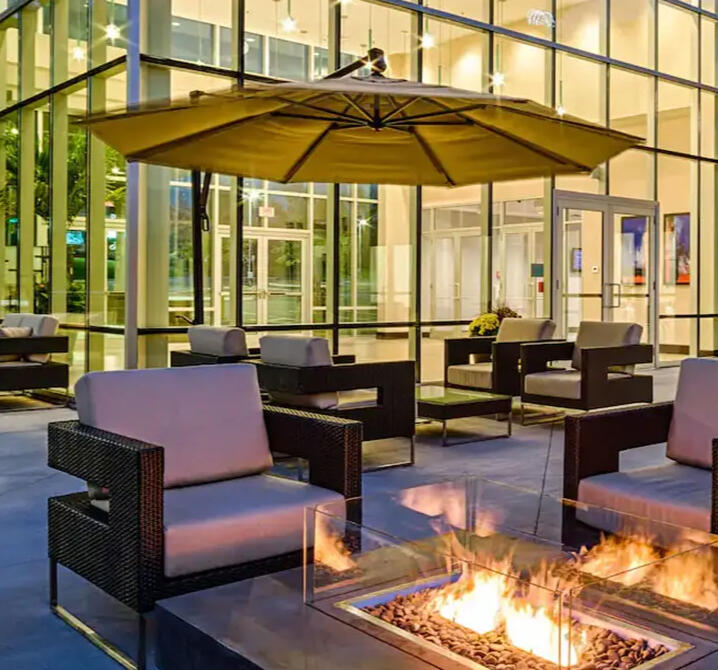
Book Your Stay
To help make your planning easier, a special room block has been reserved for Summit attendees at Home2 Suites connected to Bristol Event Center. Rooms within the block are available at a discounted group rate until the reservation deadline of May 16, 2026. Hotel reservations are the individual registrant’s responsibility and should be made as soon as possible, as the room block tends to sell out quickly.You can book your room directly using the online Booking Link.Hotel website: Home2 Suites by Hilton Bristol, for online bookings, use group code “FAS” under the special rates tab. Both the date and the code must be entered.Prefer to call? Call 1-800-774-1500 and mention the FIRST AMENDMENT SUMMIT.Rate is $165.00 plus tax per night for 1 king bed studio suites. To explore the Home2 Suites amenities visit HERE.Address: 112 Century Drive Bristol, CT 06010
Meals at the Summit
Each morning on Days 1, 2, and 3, we provide coffee, tea, and other beverages, along with a light continental breakfast (including yogurt, fruit, and similar items). Days 1 and 2 include a full lunch.
About the Summit
Three days of First Amendment education from May 27-29, 2026.
Topics Covered in This Program:
Crowd Management and Protests
Social Media and Free Speech
Recording Police Activities
First Amendment Auditors
Freedom of Religion
First Amendment Retaliation Claims
What You Should Expect:
Three days of intensive presentations from top industry experts.
Daily live keynotes and expert panels on the hottest First Amendment topics.
Nationwide networking to exchange ideas and insights.
Access to sample policies, presentations, videos, and handouts to bring back to your agency.
Register Now
Join Us
Register today and join us at the DLG First Amendment Summit.
Sponsorship
Partnerships
Meet and showcase with decision-makers, command staff, and industry leaders with sponsorship opportunities at the Summit.
Instructors
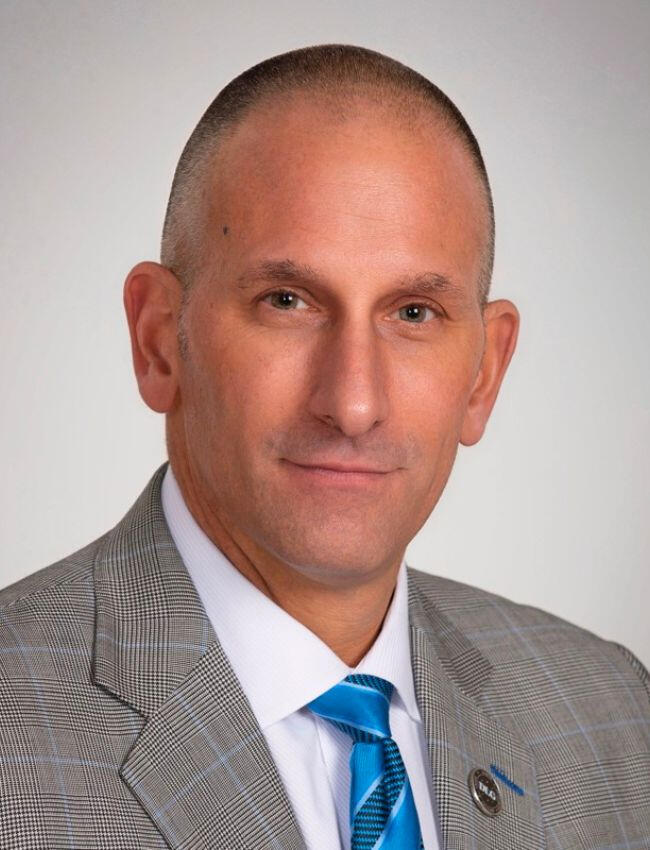
Attorney Eric P. Daigle
Daigle Law Group
Attorney Eric Daigle specializes in Civil Rights litigation and law enforcement operations consulting. Attorney Daigle also conducts training on use of force standards, including electronic control weapons and responses to force/deadly force incidents. Attorney Daigle acts in his capacity as a Law Enforcement Consultant providing guidance and oversight to department command staff on operations, force response, and risk management. He has served as an expert witness in use of force cases and has reviewed use of force incidents around the Attorney Daigle serves as a member of independent monitoring teams and acts as an auditor in reviewing police department organizational compliance with procedural revisions directed or overseen by the Federal court system.
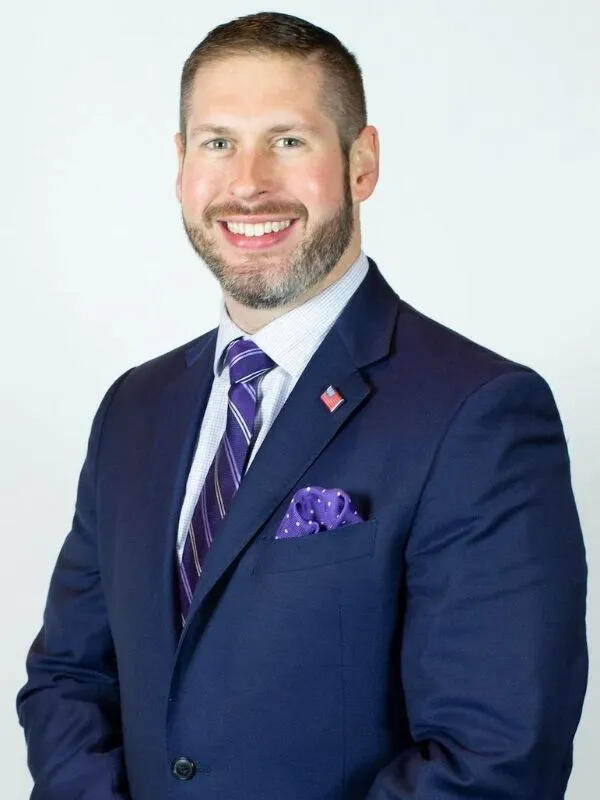
Attorney Eric R. Atstupenas
Daigle Law Group
Eric Atstupenas presently serves as the General Counsel for the Massachusetts Chiefs of Police Association. He serves as a member at large on the IACP Legal Officers Section board, a member of the IACP Committee on Human and Civil Rights, associate member of the New England Association of Chiefs of Police and Central Massachusetts Chiefs of Police Association and serves on the Board of Directors for the Municipal Police Institute, Inc., a non-profit organization dedicated to providing training to law enforcement in Massachusetts. Eric is the author of several law enforcement training materials and has been published in the IACP’s Police Chief magazine. Eric has also worked extensively with Eric Daigle, Esq., the owner of Daigle Law Group, LLC, as a law enforcement consultant and trainer.
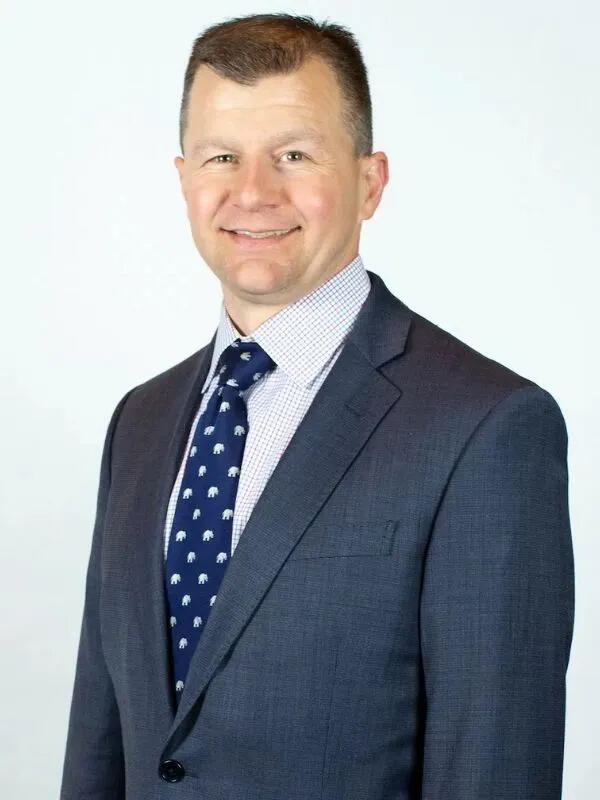
Attorney Joseph Race
Daigle Law Group
Joseph Race is an Associate Attorney with the Daigle Law Group and specializes in policy and accreditation issues. Mr. Race recently retired as a Captain of the Madison (CT) Police Department where he commanded the Administrative Division. During his time in Madison, Mr. Race successfully led the Madison Police Department to dual CALEA Accreditation for Law Enforcement and Public Safety Communication as well as State of Connecticut Tier III Accreditation. Mr. Race is actively involved in accreditation and currently serves as a CALEA Assessment Team Leader. Mr. Race is a graduate of the Quinnipiac University School Law and is a practicing member of the Connecticut state bar as well as the U.S. District Court for the District of Connecticut. Mr. Race is a graduate of the Southern Police Institutes 76th Command Officers Development Course and the 270th Session of the FBI National Academy. Mr. Race is also proud United States Marine Corps veteran.
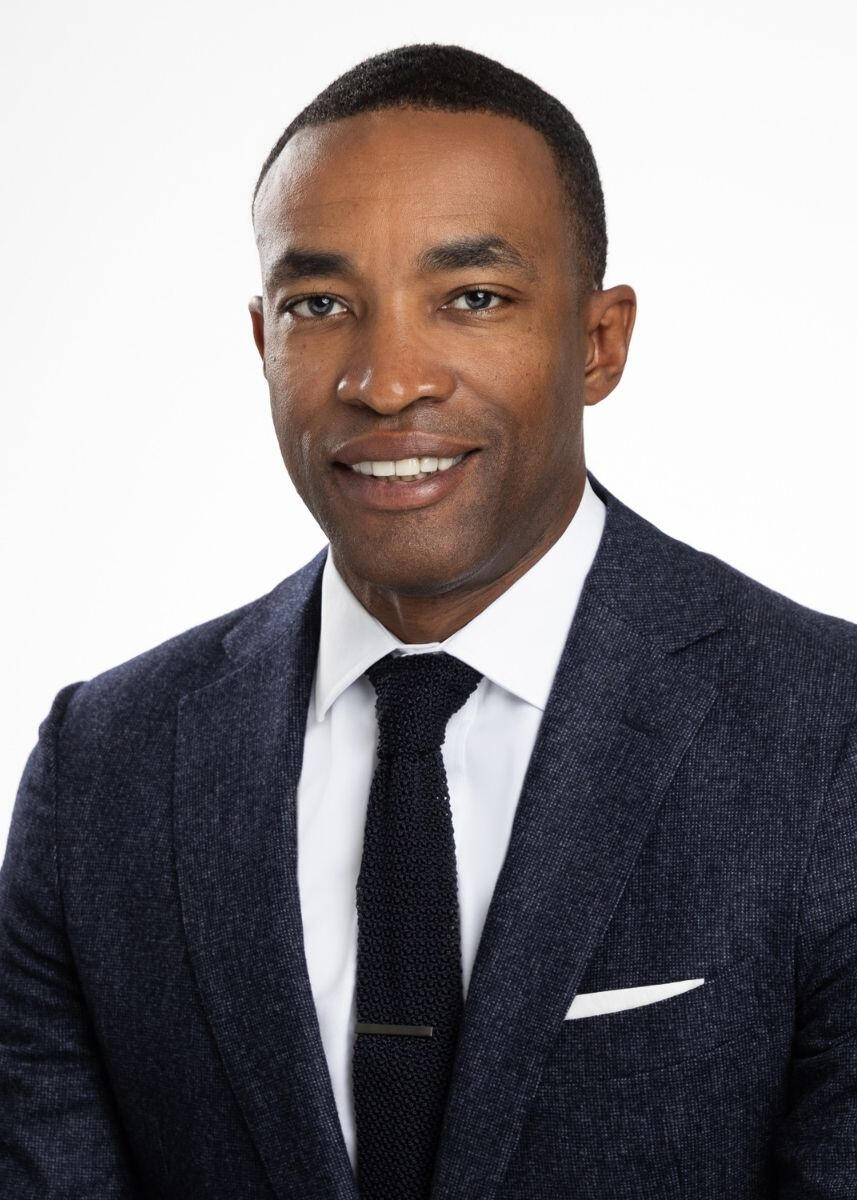
Spencer Fomby
Law Enforcement Tactical Consultants
Retired Captain Spencer Fomby is the section chair for the National Tactical Officers Association Public Order Section and coordinated the creation of the NTOA Public Order Response and Operation Standards, the NTOA Public Order Basic Command Certification Course, and the NTOA Public Order Grenadier Workshop. He is the former director of the Boise, Idaho, Police Department Training, Education, and Development Division. He was previously employed by the Berkeley Police Department in California for 20 years. He has held primary assignments in patrol, narcotics, and crime prevention. He was assigned to SWAT for 18 years as an entry team member, team leader, and tactical commander. Spencer was the lead Berkeley Police Department public order instructor. He was responsible for equipment selection, tactical training, selection and deployment of less-lethal weapons and chemical agents, and mission planning.Spencer was the 2011 Berkeley Police Department Officer of the Year. He was the team leader of the 2013 Urban Shield SWAT Competition first-place team. He is assigned to a National Institute of Justice Special Technical Committee on public order equipment. He is a subject matter expert in public order equipment and tactics for the DHS First Responder Resource Group. Spencer was a Visiting Fellow in Police Science at the University of Derby, UK, from 2017-2021. He earned a Bachelor of Arts degree in Administration of Justice from Howard University. He is the author of the chapter on public order use of force in the international anthology Public Order Policing: A Professional's Guide to International Theories, Case Studies, and Best Practices.
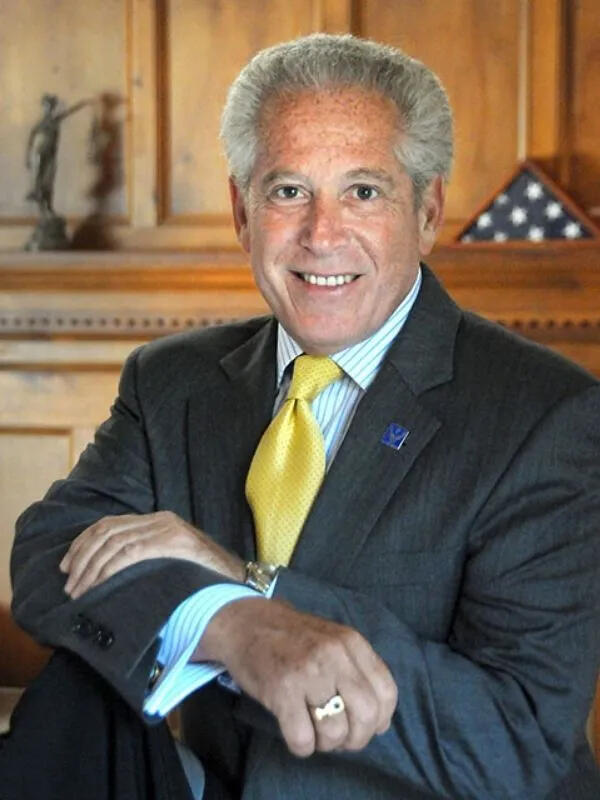
Attorney Mickey H. Osterreicher
National Press Photographers Association (NPPA)
Mickey H. Osterreicher serves as general counsel to the National Press Photographers Association (NPPA). He is an award-winning photojournalist with over forty years’ experience in print and broadcast and has been a uniformed reserve deputy sheriff with the Erie County Sheriff’s Office (ECSO) since 1976. Osterreicher was a member of the IACP Public Recording of Police advisory committee and helped draft the manuals and provide training on this issue. He has also instructed at previous Use of Force Summits as well as numerous annual IACP and National Sheriffs Association (NSA) meetings and provided training on this subject to many law enforcement agencies nationwide, including: Washington, D.C., Tampa, Cleveland, Charlotte, Philadelphia, Denver, Milwaukee, Miami and the Minnesota State Patrol. He is also certified under the National Incident Management System (NIMS). The Society of Professional Journalists (SPJ) honored him in 2015 as a “Fellow of the Society,” the highest professional honor given by the Society for extraordinary contribution to the profession and in 2021 he was inducted into the Buffalo Broadcasters Hall of Fame.
Bristol Event Center
Hotel OptionsHotel Block Information Coming Soon!Parking OptionsThe Bristol Event Center has 300 complimentary outdoor parking spots for guests.Address
112 Century Drive, Bristol, CT 06010Learn More
Bristol Event Center
